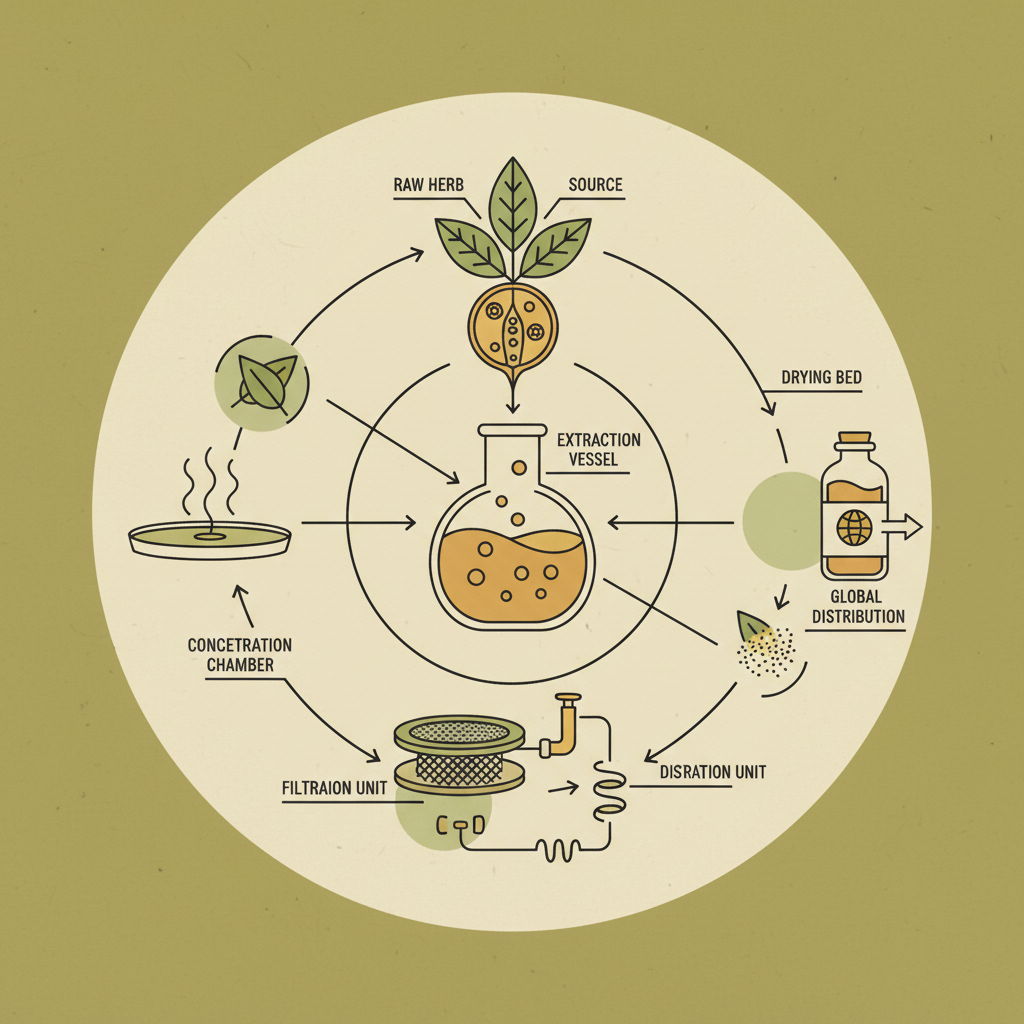
A stevioside manufacturer specializes in the extraction and refinement of steviol glycosides from the Stevia rebaudiana plant, providing a high-intensity, zero-calorie sweetener used across the food, beverage, and pharmaceutical industries. These manufacturers employ advanced purification technologies to ensure that the resulting powder is not only potent but also free from the bitter aftertaste often associated with crude stevia extracts.
For procurement managers and product developers, sourcing from a reliable manufacturer is critical because the purity level and glycoside composition directly affect the flavor profile and regulatory compliance of the final product. In a market shifting toward natural sugar replacements, the ability to maintain consistent batch quality and a sustainable supply chain is the primary differentiator between standard suppliers and premium partners.
This guide provides a technical analysis of the manufacturing process, essential quality benchmarks for evaluation, and a strategic framework for selecting a stevioside partner that aligns with global health standards and industrial application requirements.

1Fundamentals of Stevioside Production

The production of stevioside begins with the cultivation of high-quality Stevia leaves, followed by a rigorous extraction process. A professional stevioside manufacturer utilizes water-based extraction followed by ion-exchange resins or activated carbon filtration to isolate the steviol glycosides. This process removes chlorophyll and other plant impurities that could compromise the color and taste of the sweetener.
Once extracted, the solution is concentrated through vacuum evaporation and crystallized to form a white crystalline powder. The precision of the crystallization phase determines the particle size and solubility of the final product, which are vital for seamless blending in industrial food formulations.
Companies like HEBEI HEX IMP. & EXP. COMPANY leverage extensive experience in herbal processing to ensure that the raw materials are sourced from pollution-free planting bases, adhering to the philosophy of safety and science to provide pharmaceutical-grade extracts.
2Key Technical Specifications for Quality
Quality in stevioside manufacturing is measured primarily by the percentage of stevioside and rebaudioside A. While stevioside provides the bulk of the sweetness, Rebaudioside A is prized for having a cleaner, more sugar-like taste. A high-tier manufacturer will provide a detailed Certificate of Analysis (CoA) specifying the exact ratio of these glycosides.
Beyond purity, solubility is a critical metric. If the stevioside does not dissolve rapidly and completely, it can create "hot spots" of sweetness or sediment in liquid products. Testing for heavy metals and pesticide residues is also mandatory to meet the strict standards of markets like Japan and the USA.
Furthermore, the moisture content must be strictly controlled. Excessive moisture can lead to caking during storage and transportation, reducing the shelf life and usability of the powder in automated dosing systems.
3Industrial Applications and Integration
Stevioside is widely integrated into a variety of product lines, from diet soft drinks and confectionery to health supplements. Because it is roughly 200-300 times sweeter than sucrose, only minute quantities are needed, which significantly reduces the caloric density of the final product without sacrificing sweetness.
In the pharmaceutical sector, stevioside is used to mask the bitter taste of active ingredients in syrups and chewable tablets. Its stability under various pH levels and temperature ranges makes it an ideal choice for heat-treated products such as baked goods or pasteurized juices.
Effective integration requires an understanding of the synergistic effects between stevioside and other ingredients. For instance, certain acids in fruit-based drinks can enhance the perception of sweetness, allowing for a lower inclusion rate of the extract.
4Performance Metrics and Efficiency
Evaluating a stevioside manufacturer requires looking beyond the price per kilogram. The true value is found in the efficiency of the extract—specifically, how much product is required to achieve a target sweetness level (the sweetness potency). High-purity extracts allow for lower usage rates, reducing overall formulation costs.
Consistency across batches is the most significant operational metric. Variation in glycoside composition can lead to flavor drift, forcing manufacturers to constantly adjust their recipes, which increases the risk of product recalls or consumer dissatisfaction.
stevioside manufacturer Performance Metrics
As shown in the performance comparison, premium manufacturing processes significantly outperform industry averages in purity and consistency. This is achieved through superior resin technology and multi-stage crystallization, ensuring that the product meets the highest global standards for stability and solubility.
5Procurement Criteria for Global Sourcing
When sourcing from a stevioside manufacturer, procurement teams should prioritize certifications such as ISO, GMP, and Organic certifications. These documents provide third-party verification that the facility follows strict hygiene and quality control protocols throughout the production cycle.
Supply chain transparency is equally important. A reliable partner should be able to trace the product back to the specific harvest batch. This is especially critical for companies exporting to the USA and Japan, where pesticide residue limits are extremely low.
Finally, consider the manufacturer's ability to provide customized specifications. Whether you need a specific mesh size for powder flow or a particular ratio of Rebaudioside A to Stevioside, a flexible manufacturer can tailor the product to your specific technical needs.
6Future Trends in Natural Sweetener Tech
The industry is moving toward "bioconversion," where enzymes are used to convert stevioside into rarer, sweeter, and tastier glycosides like Rebaudioside M and D. These new variants virtually eliminate the bitter aftertaste, making stevia almost indistinguishable from sugar in many applications.
Sustainability is also driving innovation. Manufacturers are implementing closed-loop water systems and energy-efficient drying technologies to reduce the environmental footprint of extraction. The transition toward "Green Chemistry" is becoming a requirement for many global brands.
We expect to see a rise in the demand for "whole-leaf" extracts that retain some of the beneficial minerals of the plant, appealing to the clean-label consumer movement that values minimally processed ingredients.
7Comparing Extraction Methodologies
Different extraction methods result in different product qualities. Water extraction is the most common due to its safety and cost-effectiveness, but it requires extensive purification to remove plant sugars and pigments.
Solvent-based extraction can be faster and more efficient in terms of yield, but it introduces the risk of residual solvents, which can be a regulatory hurdle. The modern gold standard is a hybrid approach combining aqueous extraction with advanced chromatography for ultra-high purity.
| Methodology | Purity Level | Flavor Profile | Cost Factor |
|---|---|---|---|
| Crude Water Extract | Low (30-60%) | Bitter/Herbal | Low |
| Ion-Exchange Refined | Medium (80-90%) | Standard Stevia | Moderate |
| Chromatographic Pure | High (95%+) | Clean/Sweet | High |
| Bioconverted | Ultra-High | Sugar-like | Very High |
| Alcohol-based | High | Neutral | Moderate |
| Enzymatic Hybrid | High | Balanced | High |
Choosing the right methodology depends on the intended use case. While crude extracts may suffice for some animal feed or low-grade applications, human consumption in the beverage industry requires the precision of chromatographic or bioconverted methods.
Frequently Asked Questions
Conclusion
Selecting the right stevioside manufacturer is a strategic decision that impacts the taste, quality, and regulatory standing of your final product. By prioritizing high purity levels, consistent glycoside ratios, and transparent sourcing practices, companies can successfully navigate the transition to natural, zero-calorie sweetness without compromising the consumer experience.
For procurement teams and product developers seeking high-quality, scientifically processed herbal extracts and natural sweeteners, detailed product specifications and available solutions can be reviewed at www.hexherbalmed.com.