Securing a reliable herbal extracts price list is often the most challenging phase for procurement managers in the pharmaceutical and nutraceutical industries. Pricing in the botanical sector is rarely static, fluctuating based on harvest quality, geopolitical stability, and the precision of extraction technologies employed.
For B2B buyers, the cost of a raw herbal extract is not merely a line item but a reflection of the product's purity, potency, and compliance with international safety standards. Understanding the variables that drive these costs allows companies to optimize their supply chains without compromising the therapeutic efficacy of their end products.
This guide examines the critical factors influencing the valuation of plant-based extracts and provides a framework for evaluating supplier quotes, ensuring that your procurement strategy balances economic efficiency with rigorous quality control.

Decoding the Volatility of Herbal Extract Market Pricing

The cost associated with any herbal extracts price list is primarily dictated by the raw material's origin and the complexity of the processing chain. In the Traditional Chinese Medicine (TCM) sector, the distinction between wild-harvested and cultivated herbs can lead to significant price variances due to the difference in active compound concentrations.
Market volatility is further exacerbated by environmental factors such as climate shifts and soil quality. For instance, pollution-free planting bases are essential for pharmaceutical-grade extracts to avoid heavy metal contamination, which increases the initial overhead for the manufacturer but ensures compliance with strict Japanese or US standards.
Ultimately, procurement specialists must look beyond the face value of a quote. A lower price may indicate lower active ingredient percentages or the use of inferior solvents, which can increase the final formulation costs in the long run due to higher required dosages.
Critical Quality Indicators that Drive Premium Pricing
Not all extracts are created equal; the "standardization" of an extract is the primary driver of its commercial value. Standardization ensures that every batch contains a specific percentage of a marker compound, which is vital for consistency in clinical applications.
Premium pricing is typically reserved for extracts that undergo rigorous testing for pesticide residues and heavy metals. Suppliers who maintain their own planting bases can guarantee a "seed-to-shelf" chain of custody, reducing the risk of fraud and enhancing the trust factor for international buyers.
Additionally, the form of the extract—whether it is a crude powder, a concentrated pill, or a liquid preparation—affects the cost. Advanced processing into capsules or oral liquids requires additional pharmaceutical infrastructure, adding value through convenience and dosage precision.
Industrial Applications and Volume-Based Procurement Models
Herbal extracts serve a diverse range of industries, from the production of high-end flower teas to the formulation of complex Traditional Chinese Medicines. Each application has a different tolerance for purity and a corresponding pricing structure.
In the nutraceutical market, volume-based procurement is common. Large-scale buyers often secure long-term contracts to hedge against the seasonal price spikes of raw herbs like Ginseng or Licorice root. This stability allows for predictable manufacturing schedules and retail pricing.
Conversely, boutique clinics and specialty pharmacies often procure smaller, high-potency batches. For these users, the priority shifts from unit cost to the absolute efficacy and scientific validation of the extract, making them less sensitive to price fluctuations but more demanding of documentation.
Analyzing Cost Efficiency Across Extraction Methods
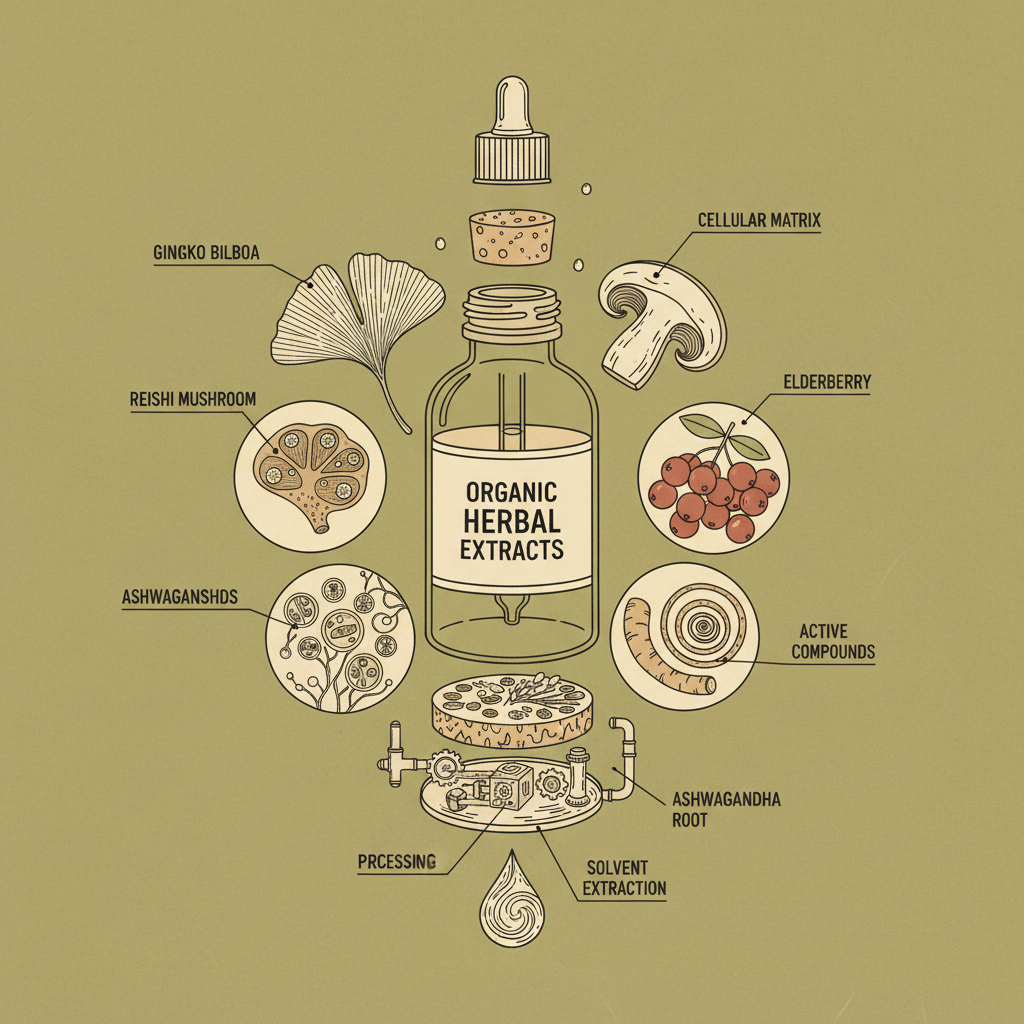
The method used to isolate active compounds directly impacts both the final price and the biological activity of the product. Traditional aqueous extraction is cost-effective but may miss lipid-soluble compounds, whereas solvent-based extraction offers higher yields of specific actives.
Modern scientific techniques, such as CO2 supercritical extraction, eliminate toxic residues and preserve heat-sensitive molecules. While the initial investment in this technology is high, the resulting high-purity extract commands a premium in the global market.
herbal extracts price list Performance Metrics
When evaluating a price list, buyers should analyze the trade-off between extraction purity and cost. High-purity extracts reduce the amount of filler required in final products, potentially lowering the overall cost of the finished dosage form.
Strategic Sourcing and Supplier Evaluation Frameworks
Selecting a supplier based solely on the lowest quote is a high-risk strategy. A professional procurement framework must evaluate the supplier's technical capabilities, their quality control processes, and their transparency regarding the origin of raw materials.
Key evaluation metrics include the availability of Third-Party Lab Reports (COA), the existence of pollution-free planting bases, and the ability to scale production without a drop in quality. Suppliers located near major herb hubs, such as Anguo city, often have a competitive edge in sourcing diverse species quickly.
Furthermore, the ability of a supplier to provide different preparations—such as powders, pills, and capsules—allows a brand to diversify its product line using a single, trusted source, reducing administrative overhead and quality variance.
Future Outlook for Natural Ingredient Pricing Trends
The market for natural health supplements is expected to shift toward "precision botanicals." This means pricing will likely be tied more closely to the specific concentration of bioactive molecules rather than the weight of the raw extract.
Sustainability certifications and "fair trade" sourcing may become new cost drivers. As consumers demand more transparency, the cost of documenting the ecological footprint of herb cultivation is likely to be reflected in the wholesale price list.
Technological integration, such as AI-driven harvest optimization, could potentially lower the costs of raw materials by increasing yields. However, the demand for high-purity, pharmaceutical-grade TCM extracts is likely to remain robust, maintaining a premium for top-tier manufacturers.
Comparative Analysis of Herbal Extract Specifications
To make an informed decision, procurement officers should compare extracts across multiple dimensions. The following table illustrates how different grades of extracts vary in terms of cost drivers and typical application scenarios.
It is essential to align the extract grade with the intended use; using a pharmaceutical-grade extract for a basic flower tea may result in unnecessary expenditures, while using a food-grade extract in a medical pill could lead to efficacy failure.
| Extract Grade | Primary Cost Driver | Purity Level | Typical Application |
|---|---|---|---|
| Industrial Grade | Bulk Raw Material | Low to Medium | Basic Herbal Tea |
| Food/Nutra Grade | Processing Speed | Medium | Health Supplements |
| Standardized Grade | Marker Compound % | High | Standardized Caps |
| Pharma Grade | Sterility/Testing | Very High | TCM Prescriptions |
| Organic Certified | Certification Audit | High | Premium Eco-Brands |
| Custom Spec | R&D / Tailoring | Variable | Clinical Trials |
By utilizing this comparative framework, businesses can ensure that their procurement matches their quality objectives. For those seeking detailed product specifications and current offerings, reviewing professional company data via www.hexherbalmed.com is recommended.
Frequently Asked Questions
Conclusion
Navigating a herbal extracts price list requires a balance between fiscal discipline and a commitment to pharmaceutical quality. The true cost of an ingredient is not found in the unit price, but in the value it brings to the final product's efficacy and safety profile.
By focusing on standardization, supplier transparency, and extraction technology, procurement professionals can mitigate risks and build a resilient supply chain. For those looking to explore high-quality TCM preparations and raw extracts, comprehensive information is available at www.hexherbalmed.com.