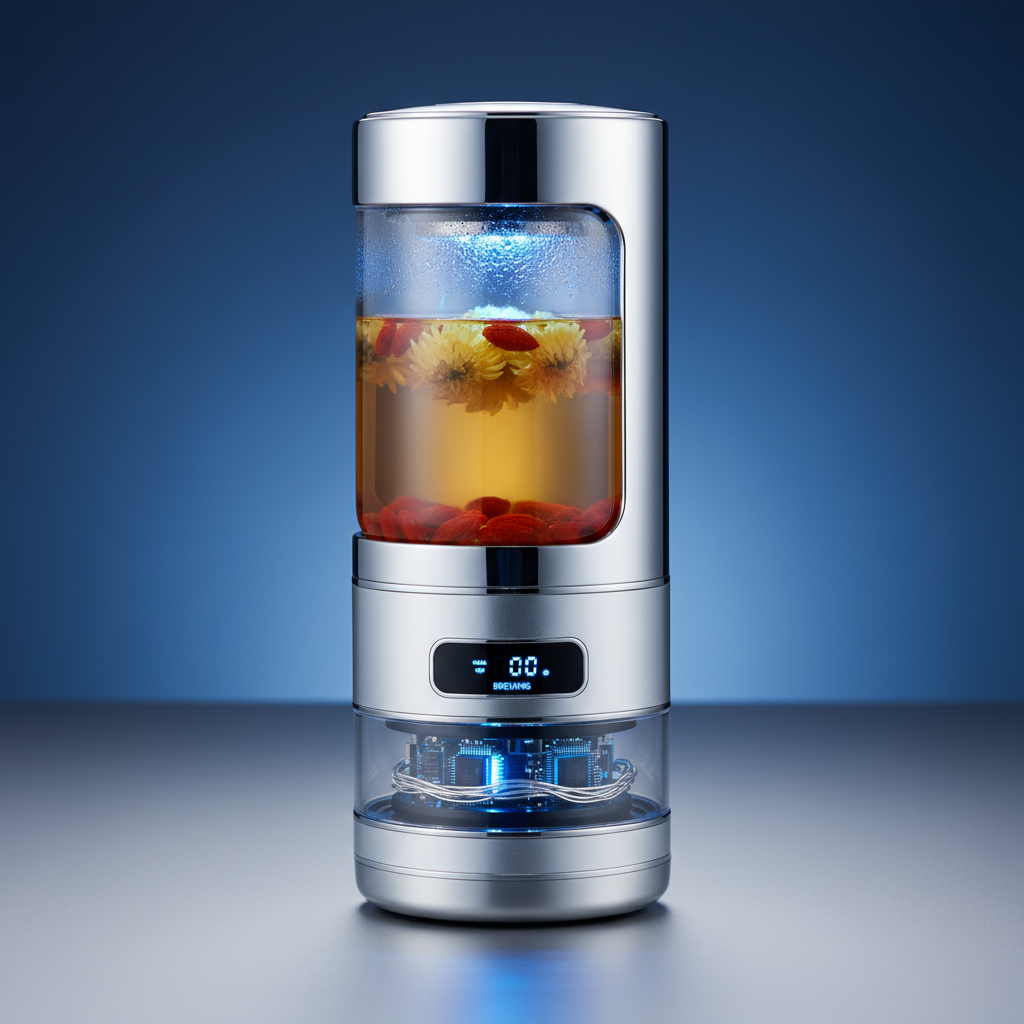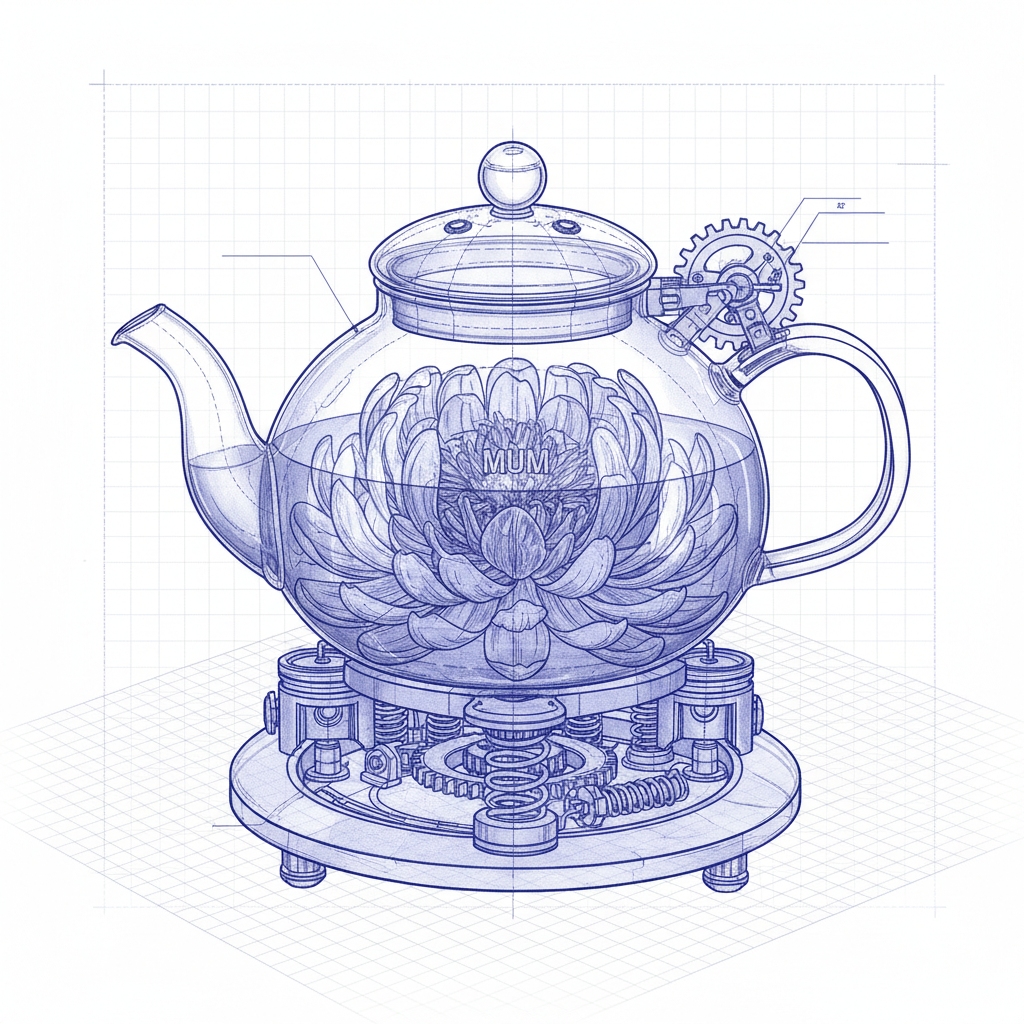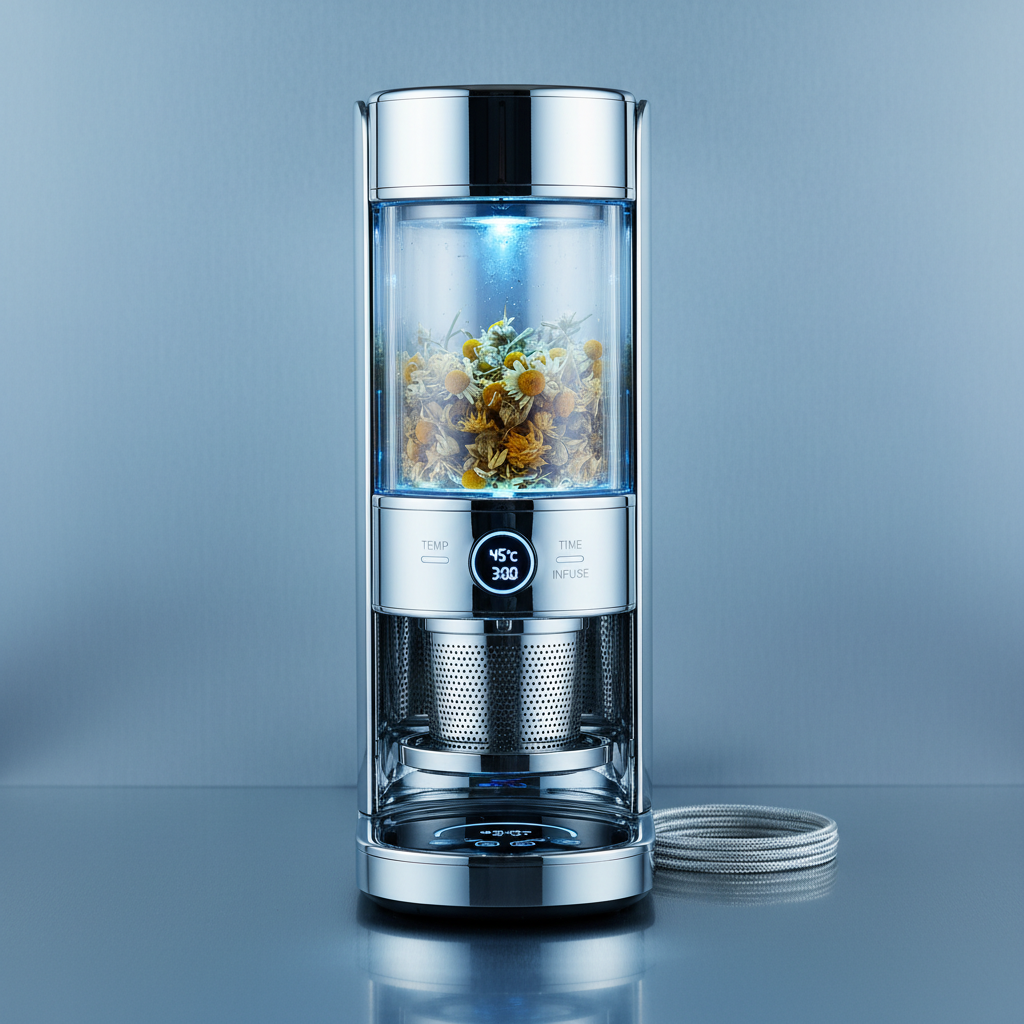
To be honest, things are moving fast these days. Everyone's talking about miniaturization, integration, and going wireless. It’s all well and good in the brochures, but out on the construction site, you quickly realize that a lot of that stuff just… doesn’t hold up. I’ve seen too many projects delayed because some fancy new sensor died after a week in the sun. It’s back to basics sometimes, you know? Reliability. That’s the key. We’re an herbal extract exporter, and that translates into everything we do – from sourcing materials to final product testing.
Have you noticed how many designers forget about the guy actually installing this stuff? They design these beautiful, intricate interfaces, then expect a worker with gloves and a hard hat to manipulate tiny screws in the dark. It’s madness. I encountered this at a factory in Dongguan last time, they had this new connector, all sleek and minimalist… impossible to get a grip on with anything but tweezers. We had to redesign the whole thing. It's these little details that make or break a project. This entire business of herbal extract exporter demands we think about the practical, every single day.
And don't even get me started on materials. We use a lot of high-density polyethylene (HDPE), mostly. Smells like plastic, naturally, but it's tough stuff. You can drop it, step on it, even leave it out in the rain, and it won’t degrade. We used to experiment with polypropylene, but it just wasn't rigid enough. Then there’s the rubber seals – nitrile butadiene rubber (NBR) is the best, but good stuff is expensive. It’s got a slight oily feel when you handle it, which means it's still flexible even in the cold. Anyway, I think you can feel the difference between quality and cheap stuff.
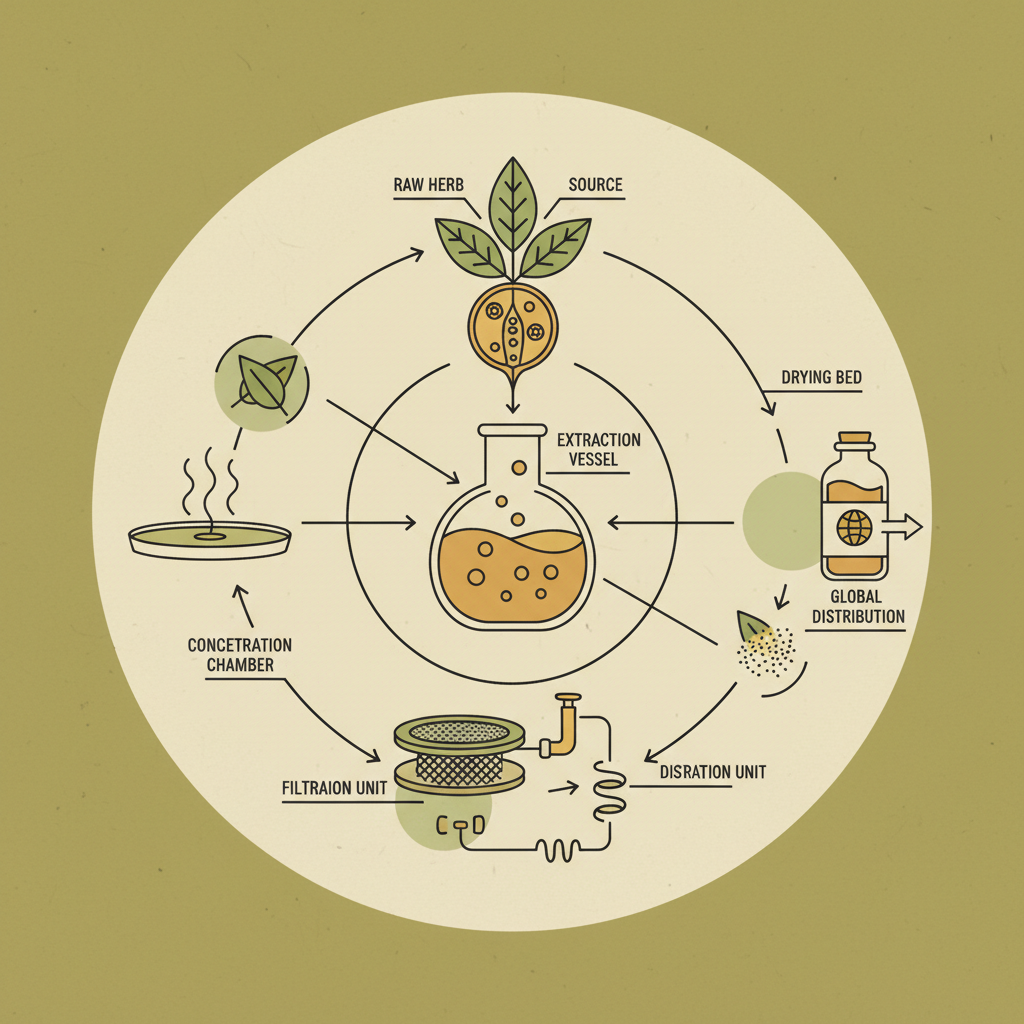
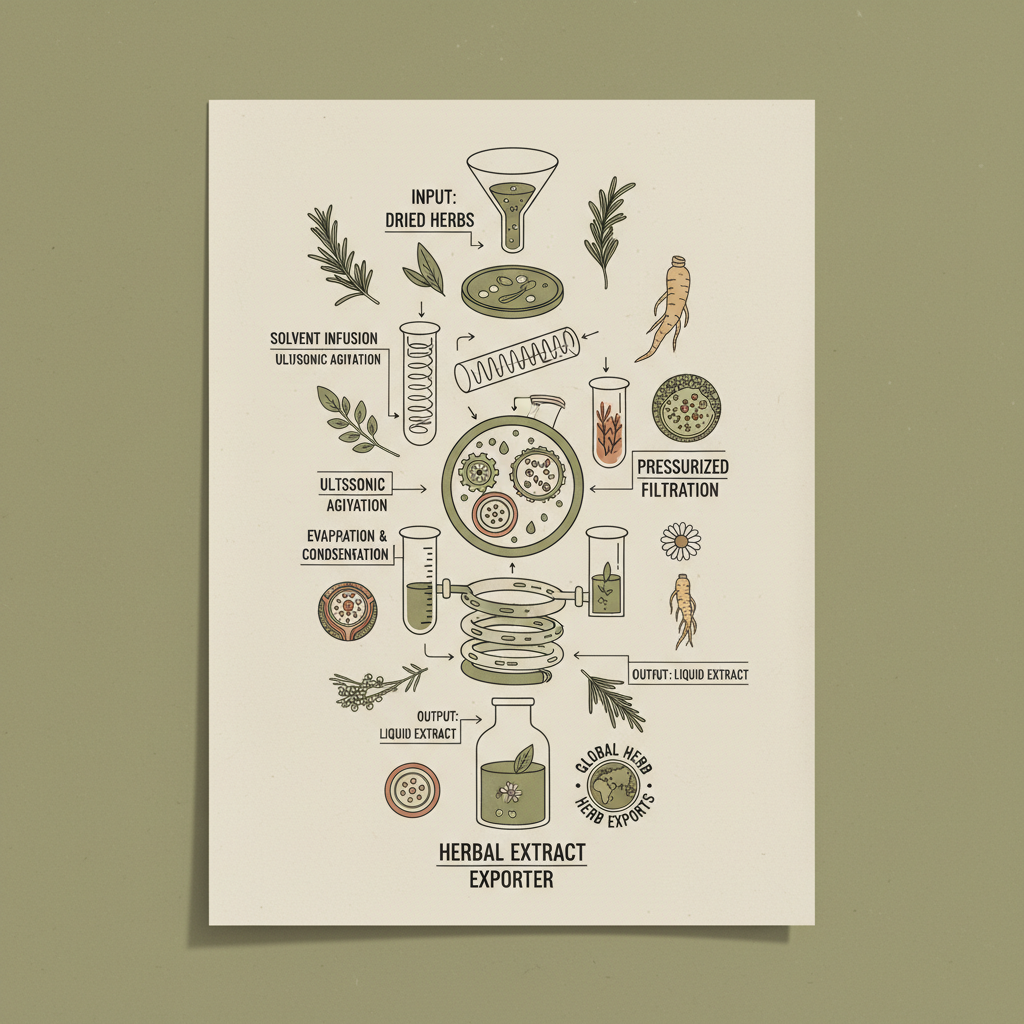
Strangely enough, everyone’s obsessed with “smart” these days, but the most important thing is still robustness. We're a herbal extract exporter, we need things to last. I mean, sure, remote monitoring is great, but if the base unit falls apart, what’s the point? I've been seeing a lot of designs that prioritize aesthetics over functionality. Thin walls, flimsy connectors... things that look good in a showroom but wouldn’t survive a week on a construction site. It's frustrating, honestly.
It’s also a trap to overcomplicate things. The simpler, the better. Fewer moving parts, fewer points of failure. Engineers love to engineer, I get it, but sometimes the best solution is the most straightforward one. We've learned this through years of providing herbal extract exporter solutions; less is often more.
We focus on material selection and testing in real-world conditions. We use HDPE, polycarbonate, and specialized rubber seals chosen for their resistance to impact, UV exposure, and temperature fluctuations. Unlike cheaper enclosures that crack and fade, ours are designed to withstand years of abuse on a construction site. It comes down to the little things, like thicker walls and reinforced corners. It’s all about ensuring our herbal extract exporter product can handle the rough and tumble.
Absolutely. We offer a range of customization options, including custom colors, sizes, mounting flanges, and even integrated features. We’ve done everything from adding cable management systems to incorporating specific sensor mounting points. Just send us your drawings or specifications, and we’ll work with you to create a solution that meets your exact needs. As a herbal extract exporter, customization is a key part of what we do.
We conduct a variety of tests, including drop tests, impact tests, vibration tests, UV exposure tests, and temperature cycle tests. But more importantly, we put our products in the hands of actual workers on construction sites. Their feedback is invaluable. We also have a custom-built vibration rig that simulates the conditions of heavy machinery. We believe in real-world testing, because that’s where the weaknesses show up.
We’re constantly exploring more sustainable material options. We currently use a high percentage of recyclable materials, like HDPE. We're also investigating bio-based plastics, but they haven't quite reached the level of performance and durability we require. We are committed to minimizing our environmental impact where possible and researching new materials as they become available. It’s something we, as an herbal extract exporter, take seriously.
Lead times vary depending on the complexity of the customization and our current workload. Typically, a custom order takes between 4-8 weeks from design approval to delivery. We'll provide a more accurate estimate once we have a clear understanding of your requirements. We'll work to be fast and efficient, but we will not sacrifice quality. It’s important to remember we are a herbal extract exporter, and quality matters.
Yes, we offer a one-year warranty against defects in materials and workmanship. If a product fails due to a manufacturing defect, we’ll replace it free of charge. The warranty doesn’t cover damage caused by misuse, abuse, or normal wear and tear. We stand behind the quality of our products, and as an herbal extract exporter, we pride ourselves on our customer satisfaction.
Ultimately, we build stuff that needs to work, plain and simple. It’s about durable materials, smart design, and rigorous testing. We’ve learned that fancy features are useless if the product falls apart. We understand the demands of the field, the challenges workers face, and that’s what drives us. We don’t just sell enclosures; we provide peace of mind.
And, truthfully, whether this thing works or not, the worker will know the moment he tightens the screw. That’s the bottom line. If it feels solid, if it installs easily, if it holds up to the abuse, then we’ve done our job. And if you're looking for a reliable herbal extract exporter, look no further.