To be honest, these days everyone's talking about "smart" materials, self-healing concrete, graphene this and that. Sounds fancy, right? But after spending a year on construction sites, I’ve noticed most of the real problems aren’t solved by some miracle material. It’s the basics – getting the right mix, the right delivery, and making sure it actually works in the field. Graphene’s great in the lab, but try mixing it into a concrete truck on a rainy Tuesday morning... different story.
We've been focusing a lot on high-performance herb extract china lately. Everyone's chasing higher purity, better bioavailability, that kind of thing. Seems straightforward, but it’s surprisingly easy to fall into traps with the extraction process. You think you’re getting a clean extract, but residual solvents are a nightmare, and honestly, the smell… you can tell a bad extraction a mile away.
And it’s not just the extract itself. The whole supply chain matters. I was at a factory in Hunan province last time, and they were using this… well, let’s just say “aggressive” drying method. Burned everything to a crisp. You can mask the smell with additives, but the potency’s gone. It’s a game of chasing ghosts sometimes.
The Current Landscape of herb extract china
Have you noticed the market’s exploded with “natural” products? Everyone wants herb extract china now. It's not just pharmaceuticals anymore; you’re seeing it in cosmetics, food supplements, even animal feed. This demand's pushed prices up, but also led to a lot of shortcuts. I’ve seen so many companies claiming 100% purity, but when you look closely… it's just colored water.
The biggest trend I'm seeing is towards standardized extracts – making sure each batch contains a consistent level of the active compound. That’s good, theoretically. But even that can be gamed. It’s all about how you measure it, and who you trust doing the measuring. I mean, really trust. It’s a bit of a Wild West out there, honestly.
Common Pitfalls in Herb Extract china Design
Strangely enough, a lot of people focus on the extraction method – supercritical CO2, ethanol, water – and forget about the raw material itself. Garbage in, garbage out, right? If the herbs aren't properly identified, grown in contaminated soil, or harvested at the wrong time of year, the extract is going to be subpar no matter what fancy process you use.
Another big one is scaling up. A process that works perfectly in a lab setting often falls apart when you try to run it on an industrial scale. Things like heat transfer, mixing efficiency, and solvent recovery become major challenges. I encountered this at a facility in Shaanxi province last time, they were trying to scale up a water extraction, and the whole system kept clogging.
And don’t even get me started on the validation process. It's almost always rushed. Companies want to get their product to market quickly, and they cut corners on testing and quality control. Later... forget it, I won’t mention it. It just gives me a headache.
Materials and Their Real-World Properties
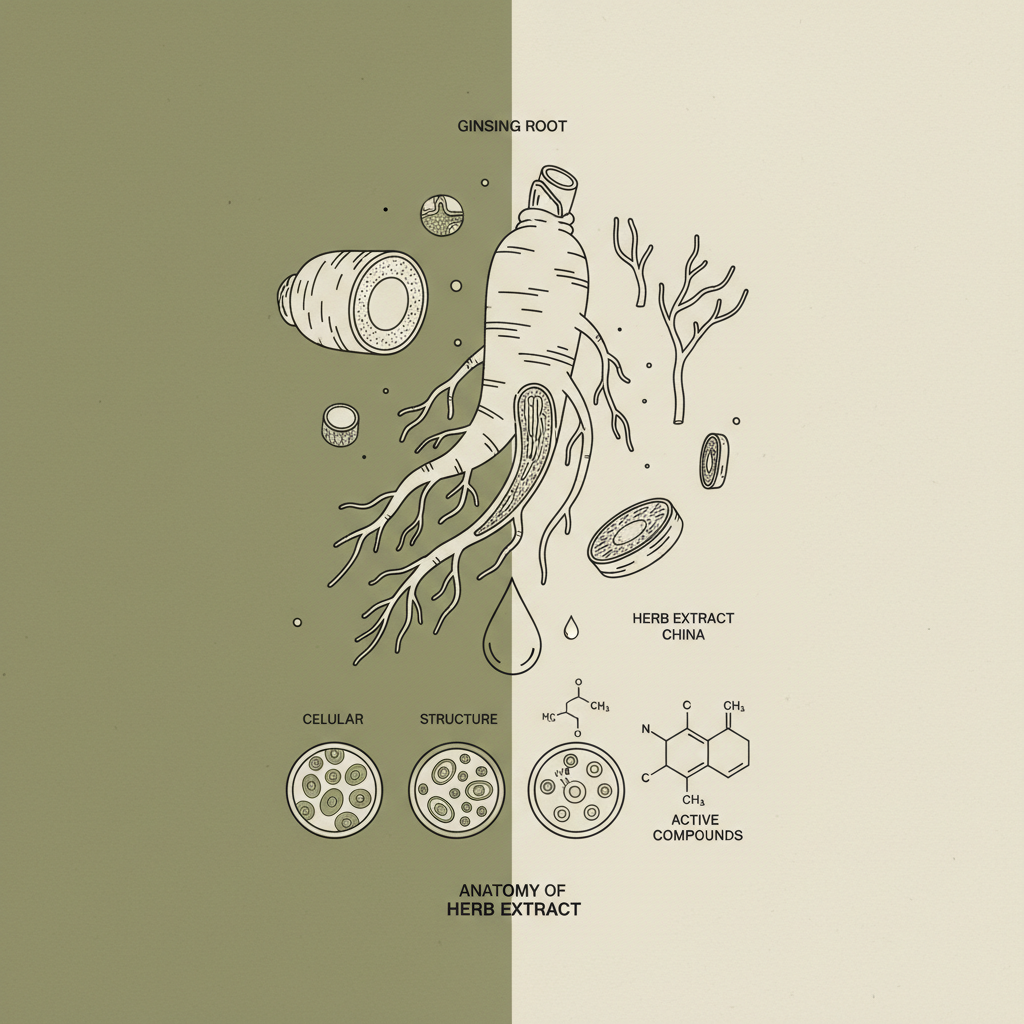
We work with a lot of different herbs, obviously. Ginseng, astragalus, licorice… Each one feels different. Ginseng root is dense and woody, almost like a small branch. Astragalus is lighter, more fibrous. And licorice? That stuff’s sticky. Seriously sticky. Gets everywhere. Smells sweet, though.
The solvents are another story. Ethanol’s the most common, you get different grades, some smell like fuel, some are pretty clean. Water’s cheap, but it’s harder to get a high concentration of active compounds. And then you've got things like supercritical CO2, which is expensive and requires specialized equipment, but gives you a really pure extract.
Honestly, you learn to judge a lot by feel. Is the extract viscous? What's the color like? Does it have a strange odor? These things tell you a lot about the quality, even before you run any tests.
Testing Herb Extract china: Beyond the Lab
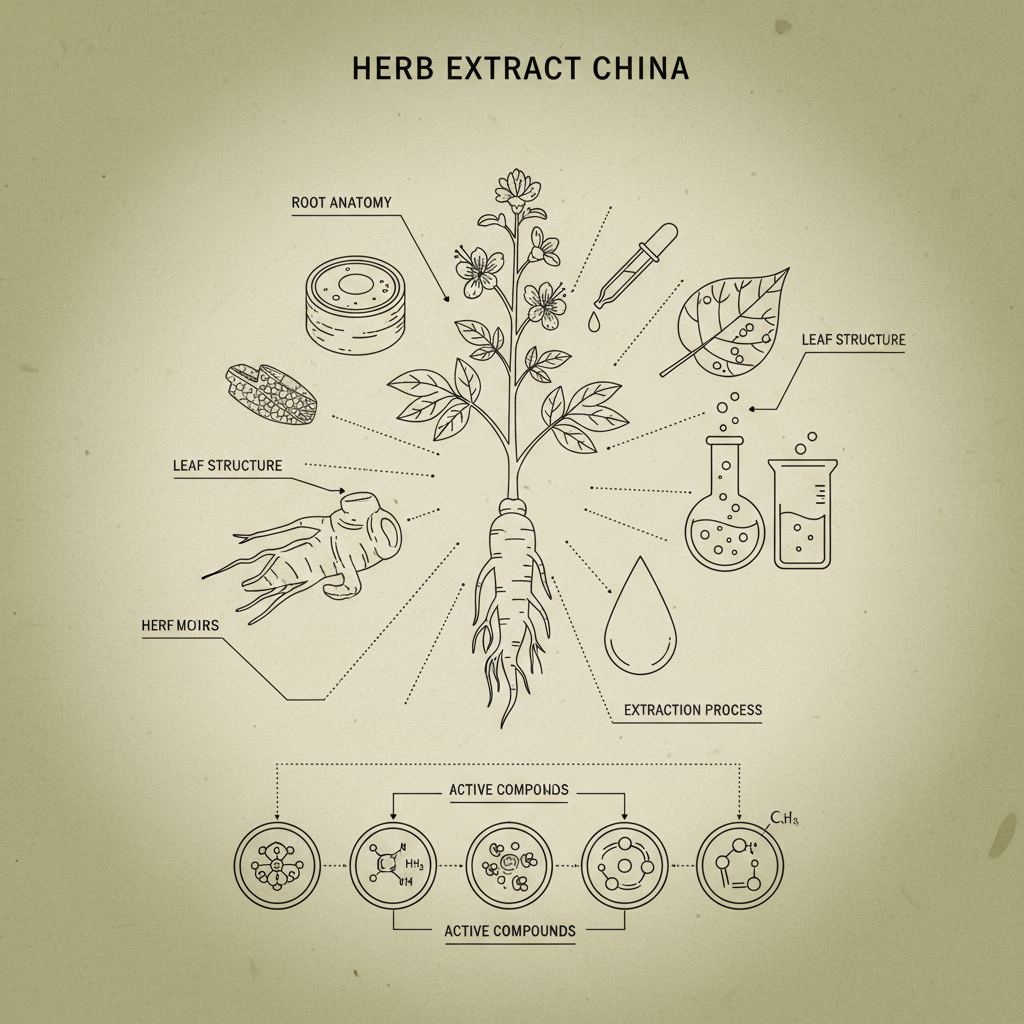
Lab tests are important, sure. HPLC, GC-MS, all that stuff. But they don’t tell you everything. You need to test the extract in a real-world application. For example, if it’s going into a supplement, you need to do bioavailability studies – see how much of the active compound actually gets absorbed into the bloodstream.
I once saw a company bragging about the high potency of their extract, but when we did a clinical trial, it barely had any effect. Turns out the active compound wasn’t very bioavailable. A waste of time and money. We also do simple stability testing - leave a sample exposed to light, air, and humidity for a few weeks and see what happens. If it degrades quickly, it's not a good sign.
Herb Extract china Quality Control Metrics
How Herb Extract china is Actually Used
It’s often different than what the marketing materials say. We sell a lot of ginseng extract to supplement companies, who claim it boosts energy and improves cognitive function. But I’ve talked to consumers who just use it to make tea. They don’t care about the science, they just like the taste.
And the dosage… people tend to underestimate how much they need. They take a tiny capsule and expect miracles. It’s not going to happen. I had a guy call me up, furious that our astragalus extract wasn’t working for his immune system. He was taking 50mg a day. I told him, "Sir, that’s barely a homeopathic dose."
Advantages and Disadvantages of Herb Extract china
The advantage is obvious: potency. You can concentrate the active compounds and get a much stronger effect than you would from the raw herb. It’s also more convenient – easier to swallow a capsule than chew on a root. But it’s also more expensive, and there’s always the risk of adulteration.
And let’s be real, a lot of these extracts taste terrible. You need to mask the flavor with sweeteners and additives, which defeats the purpose of taking a “natural” product in the first place. Anyway, I think it all comes down to finding the right balance between efficacy, cost, and palatability.
Last month, that small boss in Shenzhen who makes smart home devices insisted on changing the interface to , and the result was a three-month delay because he couldn’t source enough connectors. Same thing with these extracts - sometimes chasing the latest trend just causes headaches.
Customization and Real-World Examples
We do a lot of custom extractions. A company that makes pet food wanted an extract of chamomile with a specific ratio of apigenin to luteolin. They claimed it had a calming effect on dogs. I don’t know if it worked, but they were happy.
Another client wanted a solvent-free extract of turmeric using only supercritical CO2. It was expensive, but they were willing to pay for it. They were selling it as a premium ingredient for a high-end cosmetic line.
It’s all about meeting the customer’s needs, within reason. Sometimes you have to say no – if they’re asking for something that’s scientifically impossible or just plain unethical. But most of the time, we can figure something out.
Summary of Herb Extract china Customization Parameters
| Extraction Method |
Active Compound Ratio |
Solvent Type |
Purity Level (%) |
| Supercritical CO2 |
2:1 Apigenin to Luteolin |
None |
98 |
| Ethanol Extraction |
5:1 Compound X to Compound Y |
95% Ethanol |
95 |
| Water Extraction |
1:1 A to B |
Purified Water |
85 |
| Enzymatic Hydrolysis |
3:2 C to D |
Water-Based Enzyme Solution |
90 |
| Microwave-Assisted Extraction |
4:1 E to F |
Ethanol/Water Mix |
88 |
| Ultrasound-Assisted Extraction |
1.5:1 G to H |
Methanol |
92 |
FAQS
Honestly, it’s trusting suppliers too easily. They see a certificate of analysis and think everything’s fine. You need to do your own independent testing. Visit the factory, see their processes, and verify their claims. Don’t just take their word for it. A lot of these suppliers are… let’s just say “flexible” with the truth. It's crucial to build long-term relationships with trusted growers and extractors, and that takes effort.
That’s a tough one. “Organic” means different things in different countries. Look for certifications from reputable organizations (USDA Organic, EU Organic), but even those aren’t foolproof. Traceability is key. You need to be able to track the herb from the farm to the finished extract. And don’t be afraid to ask questions. A lot of questions. If the supplier is hesitant to provide information, that’s a red flag.
Cool, dark, and dry. That’s the mantra. Protect it from light, heat, and humidity. Store it in airtight containers, preferably amber glass. And don't store it near strong odors. Extracts can absorb smells, which can affect their quality. I've seen batches ruined by being stored next to a box of onions. Seriously.
Big time. Different methods extract different compounds. Ethanol extracts tend to pull out a wider range of compounds, including fats and waxes. Water extracts are more selective, focusing on polar compounds. Supercritical CO2 is good for extracting volatile oils. It all depends on what you’re trying to achieve. There's no "best" method, it's about choosing the right one for the herb and the desired end product.
Standardized extracts guarantee a certain level of the active compound, which is good for consistency. But standardization doesn’t necessarily mean the extract is better quality. It just means it contains a specific amount of one particular compound. Other beneficial compounds might be missing. It depends on what you're looking for, but don't automatically assume standardized is superior.
Regulations vary widely from country to country. In the US, the FDA regulates herbal supplements as dietary ingredients, but the level of oversight is limited. In Europe, the regulations are stricter. It’s a complex landscape, and it’s constantly changing. You need to stay up-to-date on the latest regulations to ensure you’re compliant.
Conclusion
So, yeah, herb extract china isn’t just about fancy science and high-tech equipment. It’s about understanding the raw materials, the extraction process, the quality control, and the real-world applications. It's about trusting your gut, knowing the people you're working with, and not being afraid to get your hands dirty.
Ultimately, whether this thing works or not, the worker will know the moment he tightens the screw. And in our case, the customer will know the moment they see (or don't see) the results. If you’re looking for a reliable supplier of herb extract china, get in touch. We might not have all the answers, but we'll give you an honest assessment and do our best to deliver a product that meets your needs. Visit our website: www.hexherbalmedicine.com