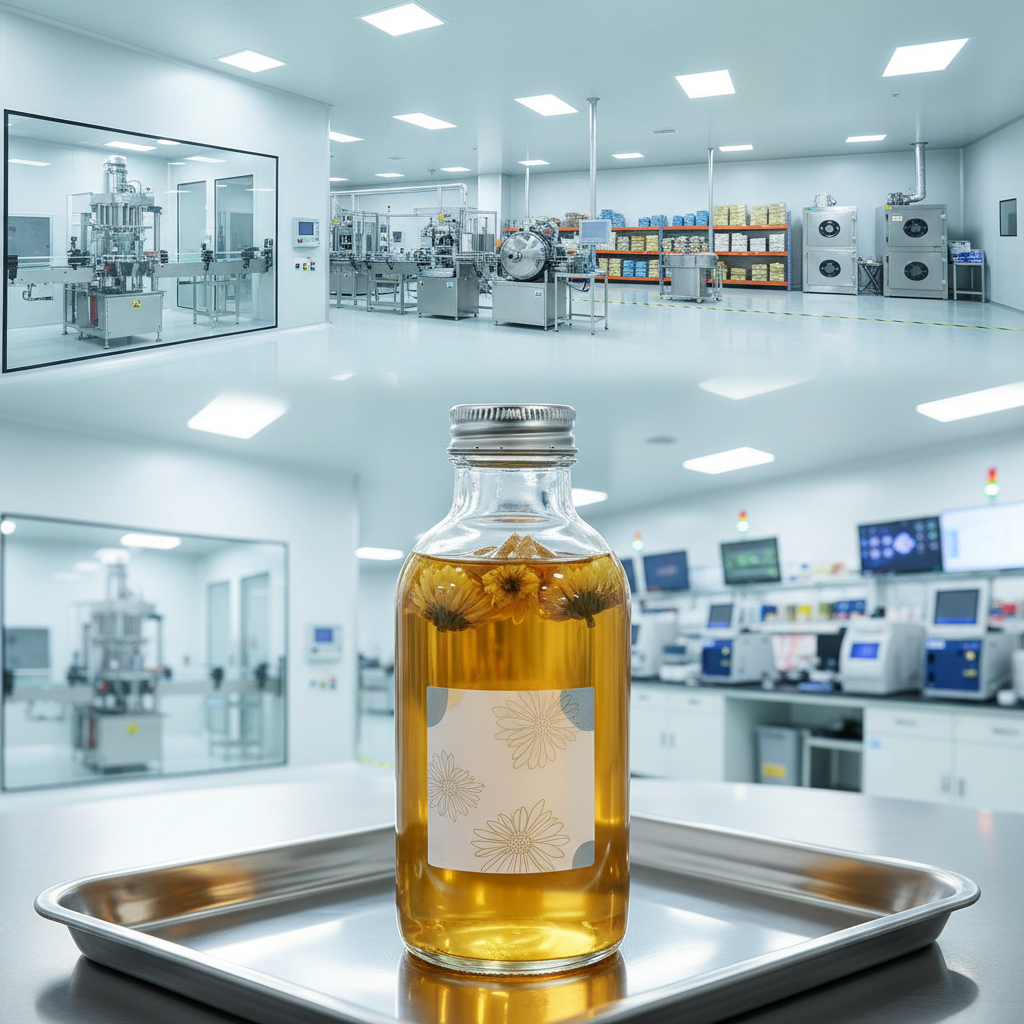
Sourcing high-quality dehydrated citrus is no longer just about finding a vendor; it is about ensuring the retention of volatile oils and bioactive compounds. For wholesalers and health-conscious retailers, the ability to buy dried lemon slices that maintain their aromatic profile and nutritional integrity is critical for product success.
The market for botanical ingredients has shifted toward transparency in processing. Whether these slices are intended for herbal teas, gourmet garnishes, or pharmaceutical extracts, the method of dehydration—be it air-drying, vacuum-drying, or freeze-drying—directly impacts the end-user's experience and the product's shelf stability.
This analysis explores the technical parameters of citrus processing, the evaluation metrics for professional procurement, and how integrated supply chains from pollution-free bases ensure the safety and efficacy required in the modern global market.


Historically, dried fruits were treated as simple commodities. However, as the pharmaceutical and wellness industries converge, the demand for "standardized" botanicals has grown. This means that when companies buy dried lemon slices, they are looking for specific moisture levels, absence of sulfur dioxide, and a consistent concentration of citric acid and flavonoids.
The transition from raw agricultural output to a pharmaceutical-grade ingredient requires strict control over the entire lifecycle—from the pollution-free planting base to the final processing facility. This standardization ensures that the final product behaves predictably in tea blends or medicinal formulations.
The quality of dehydrated lemon is primarily governed by the thermodynamics of the drying process. Excessive heat during the initial phase can cause "case hardening," where the exterior dries too quickly, trapping moisture inside and leading to premature spoilage or mold growth. Conversely, too slow a process can lead to enzymatic browning, ruining the aesthetic appeal required for flower teas.
Crucial evaluation criteria include the moisture content (typically targetted below 10-12%) and the preservation of the lemon's essential oils. In the context of Traditional Chinese Medicine (TCM) processing, maintaining the chemical stability of the fruit is paramount, as it supports various systems, including the respiratory and gastrointestinal tracts.
Furthermore, professional sourcing focuses on the absence of pesticide residues and heavy metals. For markets like Japan and Korea, which have stringent import standards, the processing must occur in environments that prevent cross-contamination, utilizing science-based quality control monitoring.
A fragmented supply chain often introduces risks, from unregulated pesticide use to inconsistent drying temperatures. The most reliable model is vertical integration, where the manufacturer controls the planting base. This ensures that the raw material is organic or pollution-free before it even enters the processing plant.
Safety and effectiveness in botanical products are not achieved at the end of the line; they are engineered from the seed, through the soil, and into the drying chamber.
HEBEI HEX IMP. & EXP. COMPANY exemplifies this approach by utilizing its own pollution-free planting bases and specialized TCM processing facilities. By monitoring every stage, the company ensures that products exported to the USA, Africa, and Asia meet the rigorous professionalism and safety values the industry demands.
Different drying technologies offer distinct trade-offs between cost, time, and nutrient retention. For example, while traditional sun-drying is cost-effective, it exposes the slices to environmental pollutants and inconsistent humidity. Modern industrial drying focuses on optimizing the "drying curve" to maximize the preservation of vitamin C and aromatic terpenes.
The following index compares common drying methods based on three core factors: Nutrient Retention, Color Preservation, and Processing Speed.
In the beverage industry, dried lemon slices are essential for the "Fruit and Flower Tea" category, where they provide both a visual centerpiece and a consistent acidity profile. For pharmaceutical applications, these slices serve as precursors for herbal extracts, where the raw material's purity determines the potency of the final extract.
A typical industrial setting might involve a tea blender combining these slices with other Traditional Chinese Herbs. In such cases, the moisture level must be precisely synchronized across all ingredients to prevent moisture migration, which would otherwise lead to clump formation and reduced shelf life.
The industry is moving toward "intelligent dehydration," using sensor-driven feedback loops to adjust temperature and humidity in real-time based on the biomass's internal moisture. This reduces energy consumption while ensuring that the heat-sensitive vitamins are not degraded.
Another emerging trend is the focus on "clean label" processing. Buyers are increasingly avoiding sulfur-based preservatives, pushing manufacturers to adopt advanced vacuum-drying techniques that preserve the natural yellow hue of the lemon without chemical additives.
Furthermore, the integration of AI in sorting and grading—selecting slices based on diameter, color uniformity, and thickness—is allowing for higher consistency in premium exports, particularly for high-end retail markets in Japan and the USA.
When professionals decide to buy dried lemon slices in bulk, they should move beyond price-per-kilogram and employ a multi-dimensional evaluation matrix. This ensures that the product is suitable for the intended application, whether it be a luxury tea blend or a medicinal supplement.
Key considerations include the certification of the planting base, the transparency of the drying logs, and the stability of the supply volume. A supplier's ability to provide detailed analysis reports on heavy metals and pesticide residues is a non-negotiable requirement for pharmaceutical-grade materials.
The following table provides a relative suitability guide for different types of dried lemon slices based on common industrial requirements.
| Application | Primary Requirement | Recommended Method | Critical Metric |
|---|---|---|---|
| Luxury Flower Tea | Visual Aesthetics | Freeze/Vacuum Dry | Color Uniformity |
| Herbal Extracts | Active Compound Conc. | Low-Temp Vacuum | Bioactive Yield |
| General Wellness | Cost-Efficiency | Controlled Hot Air | Moisture Content |
| TCM Formulations | Purity/Safety | Standardized TCM | Pesticide Residue |
| Gourmet Garnish | Structural Integrity | Low-Temp Air Dry | Slice Thickness |
| Natural Supplements | Nutritional Density | Freeze Drying | Vitamin C Level |
Pharmaceutical grade implies that the product is processed under strict GMP (Good Manufacturing Practice) conditions. This includes sourcing from pollution-free planting bases, rigorous testing for heavy metals and pesticide residues, and a standardized drying process that ensures the chemical stability of active compounds. It is designed for use in medicinal formulations where safety and consistency are the highest priorities.
The primary driver of shelf life is the final moisture content and the prevention of lipid oxidation. Vacuum drying and freeze-drying generally offer longer shelf lives because they remove moisture more efficiently at lower temperatures, preventing the degradation of essential oils. When stored in airtight, light-protected packaging, these products maintain their potency and aroma far longer than sun-dried alternatives.
The "pollution-free" status of a planting base ensures that the raw lemons have not been exposed to soil contaminants or excessive chemical fertilizers. Since dried products concentrate the remaining components of the fruit, any pollutants present in the fresh lemon are also concentrated. Verifying the source is the only way to guarantee the safety of the end product, especially for exports to regulated markets like Japan or the USA.
Low-quality slices typically exhibit significant browning (oxidation), uneven thickness, or a "burnt" smell caused by excessive heat during drying. Additionally, a lack of bright, citrusy aroma indicates that volatile oils have been lost. The presence of clumps or a slight dampness upon opening the package suggests improper moisture control during the processing phase.
Yes, provided they meet the appropriate safety standards. In food applications, the focus is on flavor, color, and aroma. In medicine—such as Traditional Chinese Medicine—the focus shifts to the therapeutic properties and the absence of contaminants. High-quality processed slices from certified manufacturers are designed to bridge this gap, offering the purity required for health supplements and the aesthetic required for culinary use.
To maintain quality, bulk slices should be stored in a cool, dry environment away from direct sunlight. Using vacuum-sealed foil bags or airtight containers is recommended to prevent moisture re-absorption from the air. Keeping them in a temperature-controlled warehouse prevents the volatile oils from evaporating and prevents the oxidation that leads to browning, ensuring a consistent product for the end consumer.
The procurement of dehydrated botanicals has evolved into a technical exercise in quality assurance. For those looking to buy dried lemon slices, the value lies in the intersection of agricultural purity and processing science. By prioritizing suppliers who control their own pollution-free bases and utilize standardized TCM processing, buyers can mitigate risks and ensure a high-performance ingredient.
As global standards for health and safety continue to tighten, the industry will likely see a further move toward transparent, data-driven supply chains. Investing in quality today—through rigorous evaluation of drying methods and source integrity—is the only way to ensure long-term product stability and consumer trust in the competitive herbal and wellness markets.