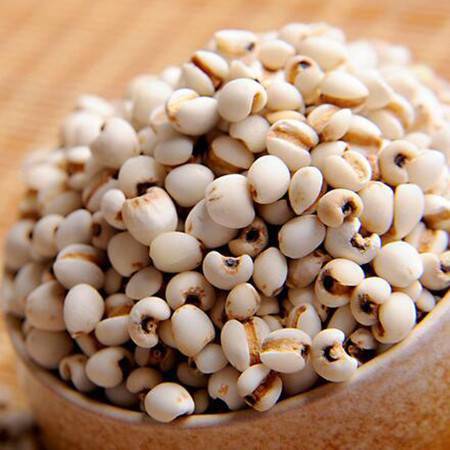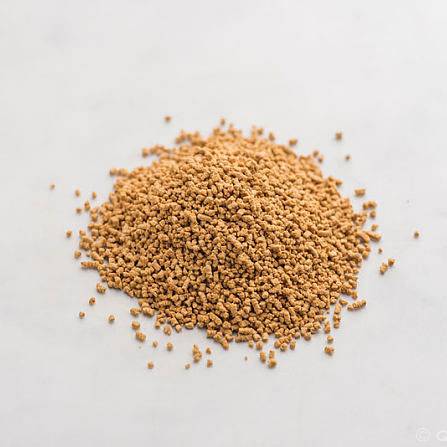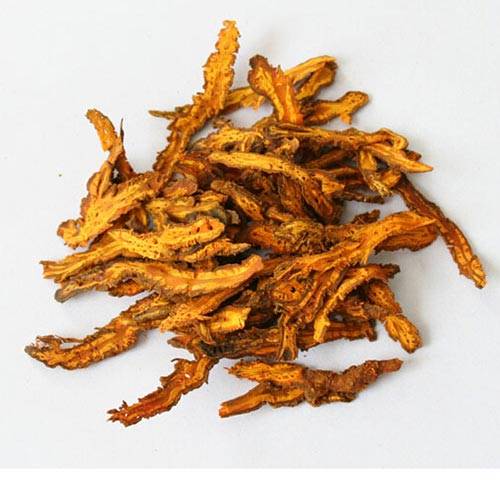


White willow bark extract powder can suit herbal product plans associated with fever, colds, infections, arthritis pain, and lower back pain. This guide helps you screen the intended use, keep White Willow Extract Powder distinct from broader willow terms, and prepare a focused inquiry covering the product name, target market, and evaluation quantity.
Application fit: match the intended herbal product purpose with fever, colds, infections, arthritis pain, or lower back pain.
Product identity and supplier review: use White Willow Extract Powder as the requested item, then review herb selection, manufacturer selection, quality-control monitoring, processing route, and target-market context.
White willow bark extract powder fits a purchasing review when your herbal product plan centers on the listed white willow bark extract applications. We supply White Willow Extract Powder, and the first decision is whether its stated product identity and intended use match your purchasing brief.
White Willow Extract Powder suits product plans associated with fever, colds, infections, arthritis pain, or lower back pain. Use the intended purpose as the first screening condition. It gives your formulation, distribution, or sourcing team a clear reason to consider this ingredient before discussing quantities or other commercial details.
For a distributor assembling a herbal range, keep the proposed use together with the product name. A request for an ingredient connected with arthritis pain should identify that purpose directly. The same applies to a plan related to colds, infections, fever, or lower back pain. This makes the inquiry easier to evaluate against the product you are considering.
Health-related product wording also needs to suit the rules of your target market. Keep the application description factual during purchasing, then have your regulatory team review any consumer-facing claim before use.
White Willow Extract Powder is the product name to use in the inquiry. The product description identifies it as white willow bark extract. Search phrases such as white willow powder, white willow extract, and white willow bark extract can point to different product descriptions or purchasing records, so they should not replace the exact item name in your request.
A simple internal check is to place three details on the same line: White Willow Extract Powder, the intended application, and the target market. If your internal brief uses a different phrase, include that wording alongside the product name. This helps your team compare replies against one defined ingredient instead of combining several willow-related records.
For example, a distributor reviewing requests for a new herbal range may see one file labeled white willow powder and another labeled white willow bark extract powder. The product name check comes first. The application check comes next. Only the file that matches both the requested item and the intended purpose should move into the next review stage.
Supplier review should cover herb selection, manufacturer selection, and quality-control monitoring. We take care in selecting herbs and herbal products, select manufacturers carefully, and constantly monitor quality-control processes for our products. These points give your procurement team a practical structure for reviewing the supply relationship around the named ingredient.
The product inquiry should also identify the market in which you plan to sell or use the ingredient. Include the target market with the product name and application so we can handle the request against a defined commercial context. Keep our reply with the same purchasing file used for the product evaluation.
Picture a formulation team screening a botanical ingredient for a new line. It has a defined use, an exact product name, and a destination market. Those three details let the team discuss the ingredient without treating a general search phrase as a complete specification.
Yes. We have our own pollution-free planting base and a manufacturer for the processing of traditional Chinese medicine. For a procurement review, this gives you two specific points to include in the supplier discussion: the source of the herbs and the processing route connected with traditional Chinese medicine. Keep those points with the product inquiry for internal review.
Our herbs and herbal products have been exported to Japan, Korea, the USA, and Africa. Include your destination market in the first request so the conversation starts with the commercial context for your project. The market detail should accompany White Willow Extract Powder and the intended application, not appear as a substitute for the product name.
We identify safety, effectiveness, tradition, science, and professionalism as our values for customers. These values give your team a concise framework for discussing the ingredient relationship with us. Use them alongside the concrete purchasing details, including the product name, application, target market, and evaluation quantity, when you prepare the first inquiry.
White Willow Extract Powder suits a purchasing brief built around the listed white willow bark extract applications and a precise ingredient name. Send us the product name, intended use, target market, and evaluation quantity. Include any internal wording that differs from the product name so we can address the right item.

About the author
The company
The main herbs exported to Japan are Licorice root, Ginseng, Radix Saposhnikoviae, Radix Scutellariae. Radix Bupleuri, Red Dates and etc. These herbs are qualified with Japanese standards on heavy metals and pesticide residues. There are over three hundred herbal products exported to the USA. They can be classified as Traditional Chinese Medicines and Modern Chinese Medicines.…
About Us ↗Visit company website ↗