Factors Influencing High Purity Stevioside Price and Quality
Navigating the procurement of high-purity natural sweeteners requires a balance between raw material quality and market volatility. Stevioside, a primary glycoside derived from the Stevia rebaudiana plant, has become a cornerstone for the food, beverage, and pharmaceutical industries seeking calorie-free alternatives. For procurement managers and formulation chemists, understanding the variables that influence the stevioside price is essential for maintaining cost-effective production cycles without compromising the sensory profile of the final product.
As a specialized processor in the Traditional Chinese Medicine (TCM) and plant extract sector, HEBEI HEX IMP. & EXP. COMPANY leverages integrated planting bases and rigorous quality control to provide consistent raw herb extracts. Whether utilized in health supplements or modern pharmaceutical formulations, the purity and origin of the extract directly impact its efficacy and commercial value. This guide examines the technical and commercial factors that drive procurement decisions in the natural sweetener market.

The Role of Plant-Based Extracts in Modern Pharmaceutical Processing
The processing of natural plant extracts has evolved from traditional decoctions to advanced scientific extraction techniques. In the context of pharmaceutical manufacturing, the ability to isolate specific glycosides is critical. Stevioside is not merely a sweetener; its integration into health supplements often serves to mask the bitterness of other active pharmaceutical ingredients (APIs) or TCM formulations, enhancing patient compliance and product palatability.
At HEBEI HEX IMP. & EXP. COMPANY, we emphasize a "pollution-free" planting approach. By controlling the environment from the seed to the final powder, we eliminate the risks of heavy metal contamination and pesticide residues, which are primary concerns for markets in Japan, Korea, and the USA. This vertical integration ensures that the bioactive compounds remain stable and potent, adhering to the strict standards required for both traditional and modern herbal medicines.
- Purity Optimization: Utilizing modern scientific concepts to ensure high glycoside concentration.
- Contamination Control: Strict monitoring of planting bases to prevent environmental pollutants.
- Standardization: Aligning extraction processes with international pharmaceutical quality benchmarks.

Commercial Determinants of Natural Sweetener Procurement
From a commercial perspective, the cost of plant extracts is rarely static. Several variables dictate the market rate, beginning with the harvest yield of the Stevia crop. Weather patterns in primary growing regions and the cost of organic certification can create significant fluctuations. When evaluating a quote, buyers must look beyond the surface price and consider the "cost-per-sweetness-unit," which is determined by the assay percentage of the extract.
Furthermore, the method of extraction—whether using water-based or solvent-based systems—affects the final cost and the residue profile. For enterprises exporting to highly regulated markets like Japan, the requirement for rigorous testing on pesticide residues adds a layer of cost but provides an essential guarantee of safety and effectiveness. Reliability in the supply chain reduces the risk of production downtime, making the supplier's infrastructure as important as the unit cost.
Application Scenarios in Health Supplements and TCM
The application of stevioside extends far beyond simple sugar replacement. In the realm of Traditional Chinese Medicine, it is often used in "Modern Chinese Medicines"—products manufactured with scientific techniques to improve the delivery of ancient prescriptions. For example, in formulations designed to treat joint pain or neuralgia, the inclusion of natural sweeteners helps in creating palatable syrups or pills without adding the glycemic load of sucrose.
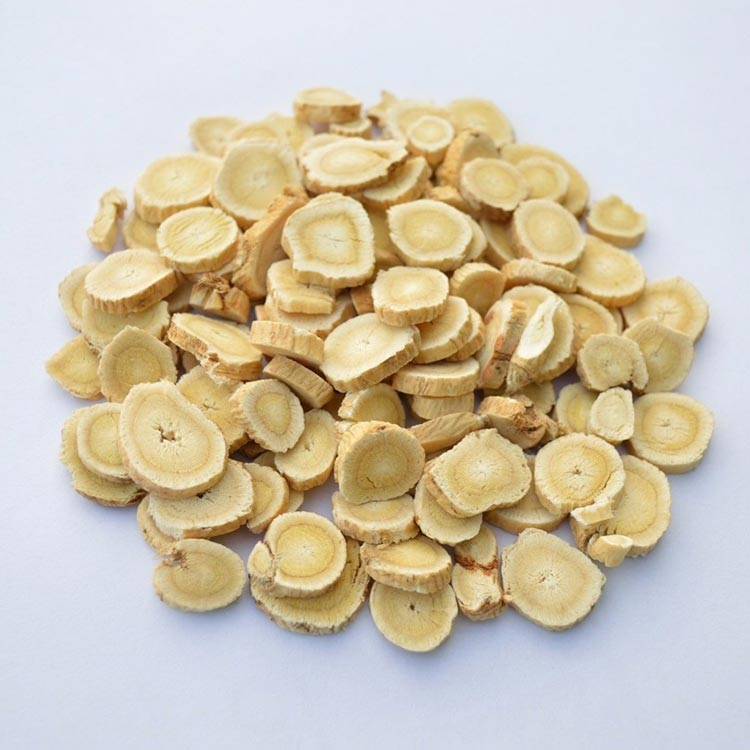
For wholesalers and clinics, the choice of extract depends on the final delivery form. A high-solubility powder is required for liquid supplements, while a granulated form may be preferred for tablet compression. By selecting manufacturers who monitor quality control processes constantly, buyers can ensure that the extract does not interact negatively with other herbal components, such as Astragalus or Licorice root, preserving the synergy of the original medical formula.
Evaluation Framework for Stevia Extract Selection
| Evaluation Factor | Industry Standard | Impact on Quality | Procurement Priority |
|---|---|---|---|
| Glycoside Purity | >95% (Pharmaceutical) | Directly affects sweetness intensity | High |
| Pesticide Residues | Compliant with JP/USP | Crucial for regulatory approval | Critical |
| Solubility Rate | Rapid Dissolution | Determines application versatility | Medium |
| Origin/Cultivation | Pollution-free Base | Ensures absence of heavy metals | High |
| Particle Size | Custom Mesh Size | Affects blending and homogeneity | Medium |
Quality Assurance and Global Export Compliance
Exporting herbal products to Japan and the USA requires a sophisticated understanding of diverse regulatory landscapes. The disparity between "Traditional" and "Modern" Chinese Medicines lies primarily in the standardization of the active components. A robust quality management system must include batch-to-batch consistency checks, ensuring that every shipment maintains the same chemical profile.
HEBEI HEX IMP. & EXP. COMPANY implements a strict selection process for its manufacturing partners, focusing on those who can provide comprehensive Certificates of Analysis (CoA). By prioritizing safety, science, and professionalism, we bridge the gap between wild-harvested healing properties and the precision required by modern global health markets. This commitment to excellence allows our clients—ranging from wholesalers to specialized clinics—to integrate our extracts into their product lines with total confidence.
Future Trends in Natural Sweetener Sourcing
The industry is shifting toward "Clean Label" ingredients, where consumers demand full transparency regarding the source and processing of their supplements. We anticipate a growing demand for organic-certified extracts that utilize green chemistry for extraction, reducing the reliance on synthetic solvents. This evolution will likely lead to a bifurcation in the market: commodity-grade extracts and premium, traceable pharmaceutical-grade extracts.
For procurement professionals, the strategy should shift from seeking the lowest immediate cost to building a partnership with a supplier who can guarantee long-term stability. As global health trends lean further toward natural treatments, the ability to source high-quality, ethically grown herbs will become a competitive advantage. Investing in suppliers with their own planting bases ensures a more resilient supply chain against the volatility of the global raw materials market.
Procurement and Technical FAQ
What factors most significantly influence the stevioside price in the B2B market?
The primary drivers are the purity level (assay percentage), the certification of the planting base (organic vs. conventional), and the specific regulatory standards the product must meet (such as Japanese heavy metal standards), along with global harvest yields.
How does "pollution-free" planting affect the final product quality?
Pollution-free planting ensures that the raw herbs are grown in soil and water free from industrial contaminants. This results in an extract with significantly lower levels of heavy metals and pesticide residues, which is essential for pharmaceutical-grade applications.
Can stevioside be used in Traditional Chinese Medicine (TCM) formulations?
Yes, it is frequently used in Modern Chinese Medicines to improve the taste of bitter herbs in pills or syrups, making the medicine more acceptable to patients without altering the therapeutic properties of the active ingredients.
What certifications should I look for when importing extracts to the USA or Japan?
You should request a Certificate of Analysis (CoA) that specifically tests for pesticide residues and heavy metals according to the standards of the destination country (e.g., Japanese Pharmacopoeia or USP standards).
What is the difference between Traditional and Modern Chinese Medicines in your production?
Traditional medicines are formulated based on ancient prescriptions, while Modern Chinese Medicines are manufactured using modern scientific concepts and extraction techniques to standardize the active components.
How does HEBEI HEX ensure the consistency of its herbal exports?
Consistency is achieved through the use of own pollution-free planting bases and the constant monitoring of quality control processes across all selected manufacturers.
Industry Technical References
- World Health Organization - Herbal Medicine Guidelines
- PubMed - Research on Steviol Glycosides and Health
- U.S. Food and Drug Administration - GRAS Notice for Stevia
- European Medicines Agency - Herbal Medicinal Products
To obtain a detailed technical specification sheet or a customized quote based on your purity requirements, we invite retailers, wholesalers, and clinics to contact our expert team. We are committed to providing efficient, value-added services that support your product development goals.
Related Herbal Solutions